
What is Sickle Cell Disease?
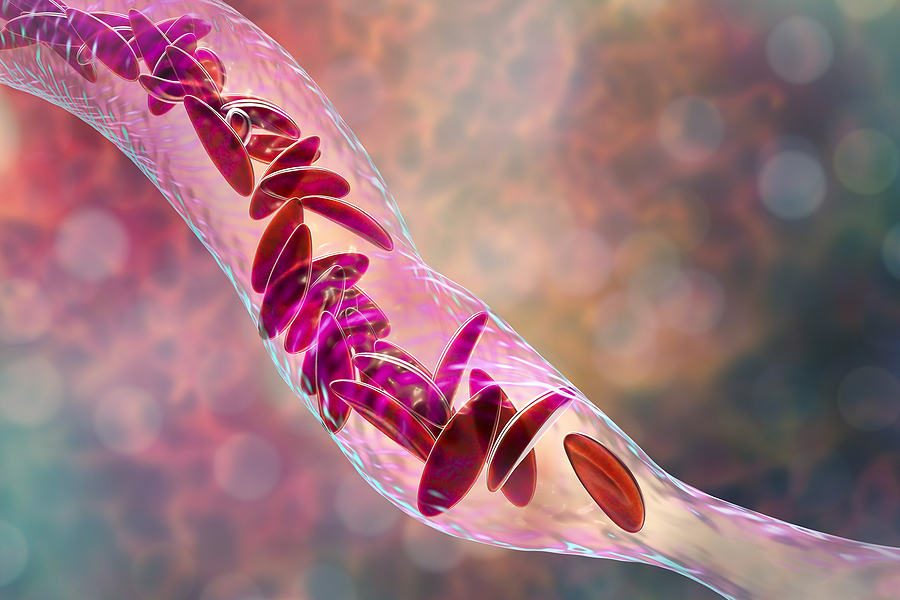
Andre* lives with sickle cell disease (SCD), an inherited blood disorder that affects hemoglobin—the protein in red blood cells responsible for carrying oxygen throughout the body. In people with SCD, hemoglobin can change shape under certain conditions, causing red blood cells to deform into a rigid, “sickle” shape.
These sickled cells can obstruct small blood vessels, reducing oxygen delivery to tissues. This blockage can cause significant pain, known as a sickle cell crisis, and in severe cases can affect vital organs such as the lungs. Even smaller occlusive events that go unnoticed can accumulate over time, potentially leading to long-term organ damage. People living with sickle cell disease may also experience chronic anemia, fatigue, and other health complications.
Why the FAA Evaluates Sickle Cell Disease in Pilots
The aviation environment introduces an additional concern: lower oxygen levels at altitude. Because reduced oxygen can trigger red blood cell sickling, the FAA closely evaluates pilots with sickle cell disease during the medical certification process.
Fortunately, Andre has a relatively mild form of the condition. Throughout his life he has remained healthy, with none of the typical symptoms associated with SCD and no need for hydroxyurea—a medication commonly prescribed to reduce the risk of sickling events.
Now a young adult, Andre hopes to earn his private pilot certificate and pursue aviation. But his first attempt at FAA medical certification was met with an unexpected setback.
An Unexpected FAA Medical Certification Denial
During the application process, the FAA reviewed records from a recent visit to a urologist. Andre had been evaluated for painful intercourse, but the physician’s note incorrectly implied that Andre had a complicated history of sickle cell crises and attributed his symptoms to an SCD-related event. Based on this documentation, the FAA issued a medical certification denial, preventing Andre from continuing his flight training as a student pilot.
Correcting Medical Documentation for the FAA
Determined to move forward, Andre sought help from Wingman Med.
While Wingman Med cannot guarantee FAA medical certification, our team outlined the steps Andre would need to take to demonstrate that his condition was stable, well-managed, and did not present a meaningful risk to aviation safety.
Andre began by correcting the inaccurate documentation from his urologist. He then worked with his treating physician to provide updated medical records and supporting documentation to the FAA. This included laboratory testing, pulmonary function tests, and a functional evaluation demonstrating his ability to maintain appropriate blood oxygen levels under stress.
How Andre Received a Special Issuance Medical Certificate
With clear and accurate documentation in place, Andre submitted his case for reconsideration. The FAA ultimately granted him a Special Issuance medical certificate, allowing him to move forward with his pilot training and continue pursuing his aviation goals.
Lessons for Pilots Applying for FAA Medical Certification
Andre’s experience highlights an important lesson for pilots navigating the FAA medical certification process: always review the medical documentation generated after provider visits. Even small factual errors in medical records can create significant obstacles when applying for certification.
His case also reinforces another key point: the FAA is willing to consider a wide range of medical conditions when evaluating pilots. Even with a lifelong condition such as sickle cell disease—one that is often associated with serious health risks—the deciding factor was that Andre’s condition was stable, well-documented, and appropriately evaluated.
With the right guidance and thorough medical documentation, pilots facing complex medical histories may still be able to obtain FAA Special Issuance certification and continue flying safely.
*Andre is a pseudonym used to protect the identity of the individual.