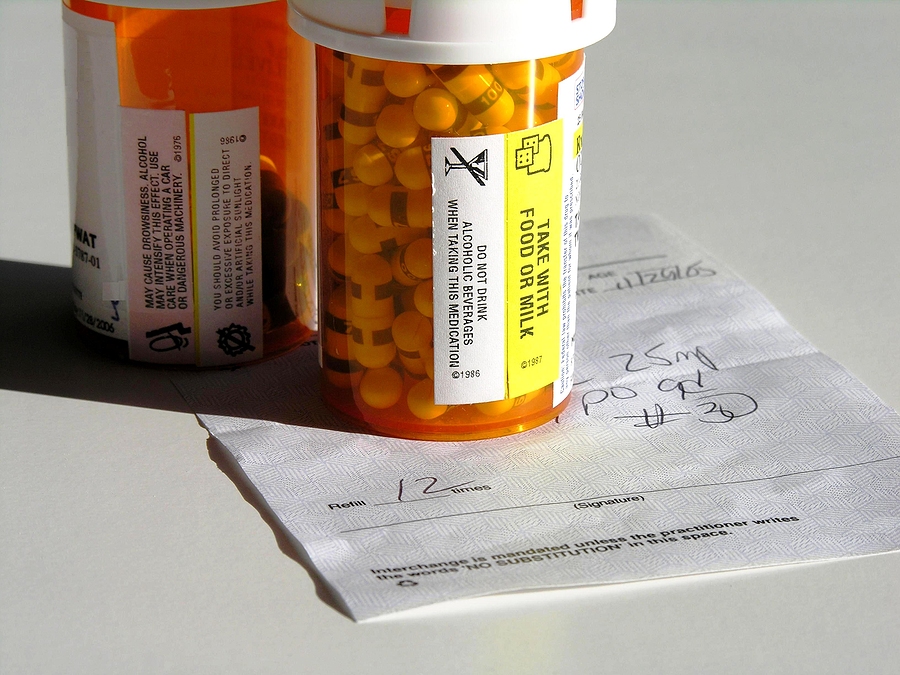

For many pilots, learning that they must enter the FAA’s Human Intervention Motivation Study (HIMS) program is both unexpected and overwhelming. The process can appear complicated, expensive, and highly administrative, particularly for applicants who have never dealt with the FAA certification system beyond routine medical examinations. Consequently, choosing the right HIMS Aviation Medical Examiner (HIMS AME) is one of the most important decisions a pilot will make during the certification process.
Although many pilots focus first on finding a HIMS AME close to home, geographic convenience is only one factor to consider. Successfully navigating the HIMS program depends far more on selecting an examiner with exceptional administrative competence, a thorough understanding of FAA policy, and the ability to guide the certification process efficiently. The quality of your working relationship with your HIMS AME may influence not only how smoothly your case progresses, but also how quickly you can return to flying.
What Is the FAA HIMS Program?
The Human Intervention Motivation Study program, usually called HIMS, is used for pilots with certain substance-related conditions and for some pilots taking FAA-conditionally acceptable psychoactive medications.
For alcohol and substance-related cases, HIMS participation is required for airmen who meet the regulatory definitions of substance abuse or substance dependence contained in 14 CFR Part 67. [1] The FAA’s objective is to establish with objective evidence that abstinence and/or recovery is stable, sustained, and compatible with the safe exercise of pilot privileges.
For pilots receiving FAA-approved antidepressant medications, the overall framework remains similar: structured follow-up, ongoing evaluation, and close coordination between the treating clinicians, the HIMS AME, and the FAA’s Office of Aerospace Medicine.[2] However, the requirements are different enough to warrant discussion in a separate article.
FAA Definitions: Substance Abuse vs. Substance Dependence
Pilots often use terms like “DUI,” “alcohol problem,” or “substance issue,” but the FAA evaluates these cases through specific regulatory definitions. Understanding those definitions is essential before choosing a HIMS AME.
Under 14 CFR § 67.107, which contains the first-class medical mental standards, “substance” includes alcohol, sedatives, hypnotics, anxiolytics, opioids, cocaine, amphetamines and similar stimulants, hallucinogens, cannabis, inhalants, and other psychoactive drugs or chemicals [3]. The same mental-standard framework appears across first-, second-, and third-class medical certification sections.
Substance dependence is the more serious regulatory category. Under Part 67, dependence may be shown by increased tolerance, withdrawal symptoms, impaired control of use, or continued use despite physical health damage or impairment of social, personal, or occupational functioning [3]. The regulation makes substance dependence disqualifying unless there is clinical evidence, satisfactory to the Federal Air Surgeon, of recovery, including sustained total abstinence for at least the preceding two years [4].
Substance abuse is different. The FAA definition includes substance use in a physically hazardous situation when there has also been another hazardous-use episode, a verified positive drug test, DOT alcohol test result of 0.04 or greater, refusal to submit to a required DOT drug or alcohol test, misuse that the Federal Air Surgeon determines makes the person unable to safely perform airman duties, or may reasonably be expected to do so during the duration of the certificate [3]
In plain English, a pilot does not need to have a severe addiction history to trigger FAA concern. A DUI, a workplace testing issue, repeated hazardous alcohol use, a refusal to test, or documentation suggesting impaired control can all lead to a HIMS evaluation.
What Does the HIMS Program Require?
HIMS requirements vary by case, but alcohol and substance related Special Issuance packages extensive documentation. The FAA’s HIMS drug and alcohol monitoring checklist lists several required items, including, treatment records, psychiatric evaluation, neuropsychological evaluation with raw testing data, aftercare reports, airline reports when applicable, personal statement, testing records, DUI records, and other relevant medical and legal records [4]. The FAA checklist specifically warns that missing or incomplete items will delay certification review.
Psychiatric and neuropsychological evaluations are central to the process. The FAA explains that both are required because substance use disorders not in satisfactory recovery may make an airman unsafe to perform pilot duties. The evaluations assess the disorder, quality of recovery, other psychiatric conditions, and possible neurocognitive deficits related to chronic substance use [6].
A psychiatric evaluation addresses diagnosis, insight, treatment history, relapse risk, coexisting psychiatric symptoms, and recovery quality. Neuropsychological testing evaluates cognitive functions relevant to aviation, including attention, memory, processing speed, executive function, and decision-making.
What Does a HIMS AME Actually Do?
The HIMS AME is responsible for reviewing all that information, organizing and presenting it to the FAA, and ensuring that you comply with all HIMS program requirements before your application, while it is under review, and after you receive your special issuance.
A HIMS AME is a physician, but during HIMS participation they do not function like a typical treating doctor. Their role is closer to program sponsor, monitor, and FAA-facing facilitator. They review records, evaluate compliance, coordinate with required specialists, track testing, and prepare reports for the FAA.
This distinction matters. Your HIMS AME is usually not the person providing addiction treatment, therapy, primary care, or psychiatric medication management. Instead, they collect and interpret information from those treating professionals and help the FAA determine if the evidence you provide supports certification.
During early HIMS monitoring, pilots commonly meet with their HIMS AME every three months. The FAA Step Down Plan states that half of those visits may be virtual, meaning two of four annual visits can be conducted remotely when the HIMS AME is comfortable doing so and the pilot’s case supports it. As pilots progress through step-down phases, visits and testing requirements generally become less burdensome, although progression is not automatic and depends on compliance and FAA review [7].
How to Choose the Best HIMS AME
The most important selection factor is administrative competence. HIMS is a medical certification process, but it is also a documentation process. A strong HIMS AME knows what the FAA expects, how to organize the package, which records are likely to be requested, and how to avoid preventable delays.
Reliability is just as important. You want an AME who reviews testing promptly, tracks deadlines, responds clearly, and submits reports on time. A disorganized HIMS AME can create months of delay even when the pilot is doing everything right.
The professional relationship also matters. HIMS requires honesty, accountability, and sustained communication. A good HIMS AME should be direct, organized, and realistic. They do not need to tell you what you want to hear, but they should help you understand what the FAA needs and what your next step should be.
Why Location Should Not Be the Deciding Factor
Geographic proximity is convenient, especially during early monitoring. But it should not dictate your choice if the nearby AME does not inspire confidence.
Special Issuance in the HIMS program is expensive. Pilots may pay for treatment, psychiatric evaluation, neuropsychological testing, toxicology monitoring, travel, time away from work, and repeated documentation. Compared with those costs, occasional travel to see a top-tier HIMS AME is often a minor expense, particularly for airline pilots and other professional aviators.
Travel costs may also decrease over time. If your HIMS AME has confidence in your sobriety, testing compliance, documentation, and stability, some early visits may be virtual. Later, as you move through the step-down phases, in-person visits become less frequent.
Choose a Long-Term Certification Partner
The best HIMS AME is not necessarily the closest one. It is the one who gives you confidence that your case will be managed carefully, accurately, and professionally.
Look for administrative competence, reliability, clear communication, experience with FAA substance-related cases, and a working relationship built on trust. The HIMS program is demanding, but it is navigable. With sustained recovery, complete documentation, and the right HIMS AME, many pilots successfully return to flying under Special Issuance.
References
[1] Federal Aviation Administration, “Use of Antidepressant Medications,” Guide for Aviation Medical Examiners, Dec. 3, 2025. Accessed: Jun. 28, 2026.
[2] Federal Aviation Administration, Guide for Aviation Medical Examiners. Washington, DC: FAA Office of Aerospace Medicine. Available: https://www.faa.gov/ame_guide
[3] Electronic Code of Federal Regulations, “14 CFR § 67.107—Mental.” Accessed: Jun. 28, 2026.
[4] Federal Aviation Administration, “HIMS Trained AME Checklist—Drug and Alcohol Monitoring Initial Certification,” Mar. 31, 2021. Accessed: Jun. 28, 2026.
[5] Federal Aviation Administration, “FAA Certification Aid—HIMS Drug and Alcohol—Initial.” Accessed: Jun. 28, 2026.
[6] Federal Aviation Administration, “Specifications for Psychiatric and Neuropsychological Evaluations for Substance Abuse/Dependence,” Guide for Aviation Medical Examiners. Accessed: Jun. 28, 2026.
[7] Federal Aviation Administration, “HIMS AME Information—HIMS Step Down Plan,” Sep. 29, 2021. Accessed: Jun. 28, 2026.