As of May 27, 2026, the FAA has significantly simplified the certification and recertification process for pilots with obstructive sleep apnea (OSA) who are successfully treated with either a positive airway pressure (PAP) device or a dental appliance.
For pilots, treating physicians, Aviation Medical Examiners (AMEs), and the FAA itself, this change reduces paperwork, streamlines review, and makes the certification process more efficient.
If you’re new to the FAA’s sleep apnea requirements, we recommend first reviewing our previous articles:
Who Does This Apply To?
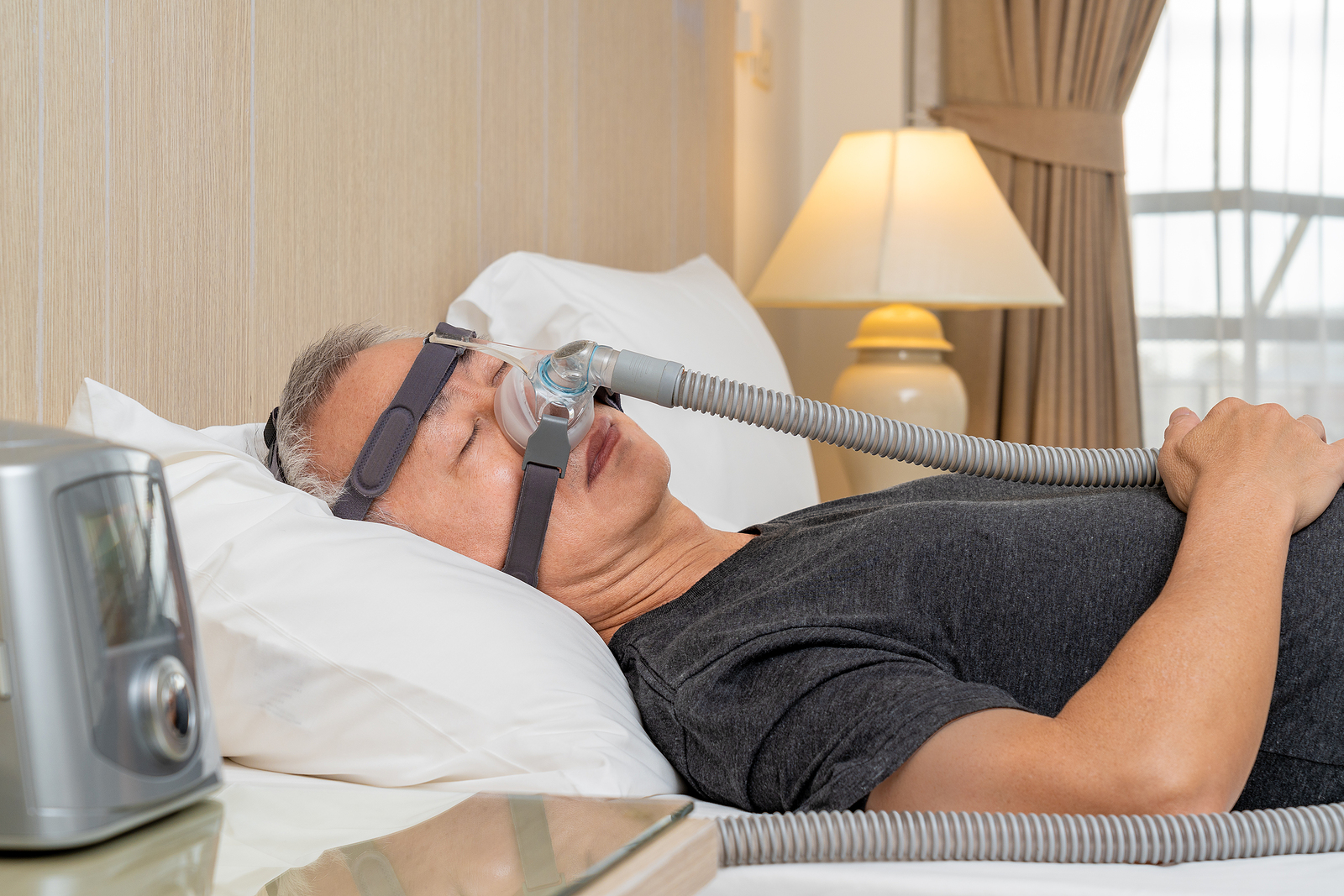
This article focuses specifically on pilots with diagnosed obstructive sleep apnea who are treated with:
- CPAP
- AutoPAP
- BiPAP
- Oral dental appliances
The FAA has separate requirements for pilots treated surgically or with Inspire therapy, which we’ll discuss later.
How the Process Worked Previously
Until recently, the FAA used two separate forms:
- An initial certification form for newly diagnosed pilots or new pilots with the diagnosis
- A recertification form for pilots already established on treatment
These forms could be used instead of a detailed clinical progress note from your treating physician. However, pilots still had to provide significant supporting documentation.
For PAP-treated pilots, the FAA required compliance data demonstrating:
- At least 75% usage compliance
- Minimum 6 hours of use per night
- Residual AHI (Apnea-Hypopnea Index) of 5 or less
For annual recertification, this data generally needed to cover the previous 12 months.
For an initial certification following a new diagnosis or for a diagnosed pilot getting their first medical certification, the FAA typically required:
- The most recent sleep study
- At least 30 days of treatment data demonstrating compliance
- The FAA Compliance with Treatment form (or equivalent documentation)
While manageable, the process often involved gathering and submitting multiple reports, sleep studies, physician documentation, and compliance downloads.
The New OSA Treated Status Report
The FAA has now replaced the previous forms with a single standardized document:
This single form is used for both:
- Initial certification
- Annual recertification
The process is straightforward:
- The pilot completes the top section.
- The treating sleep physician completes the bottom section.
- The form is presented to the AME during the FAA medical examination.
If every answer on the form falls within the “Yes” column, the AME can typically issue the medical certificate with a one-year time limitation.
If any answer falls outside the acceptable criteria, the AME must defer the application to the FAA for further review.
The Biggest Win for Pilots
The most significant improvement is what pilots no longer have to provide.
When a properly completed OSA Treated Status Report is submitted and all responses qualify as “Yes”:
You no longer need to provide:
- The original sleep study
- PAP compliance reports
- Compliance data downloads
- Additional supporting records
These documents do not need to be brought to the AME or uploaded to the FAA as long as the form is completed correctly and demonstrates successful treatment.
This represents a major reduction in paperwork and administrative burden.
What Happens If You Don’t Have the Form?
The OSA Treated Status Report is now the preferred pathway.
However, if you arrive at your medical examination without the completed form, the FAA’s traditional documentation requirements still apply.
In that situation, you should be prepared to provide:
- Your sleep study
- PAP or dental device compliance data
- A current detailed clinical progress note from your treating physician
What About Surgical Treatment?
Pilots who have undergone surgical treatment for obstructive sleep apnea follow a different pathway.
The FAA generally requires:
- A post-operative sleep study demonstrating treatment effectiveness
- A detailed clinical progress note from the treating physician confirming resolution of symptoms
What About Inspire Therapy?
Pilots treated with an Inspire hypoglossal nerve stimulation device have separate documentation requirements.
Currently, the FAA expects:
- Device usage and efficacy reports covering the previous year
- A detailed clinical progress note from the treating physician
Unlike PAP-treated pilots using the new OSA Treated Status Report, Inspire-treated pilots should continue to bring these supporting records for review.
Why This Change Matters
The FAA’s new approach reflects increasing confidence in treating sleep physicians and AMEs.
The benefits are substantial:
For Pilots
- Less paperwork
- Fewer records to gather
- Simpler annual renewals
- Reduced risk of missing required documents
For Treating Physicians
- A standardized reporting process
- Less time generating customized letters and documentation
For AMEs
- Fewer records to review
- Less scanning and uploading
For the FAA
- More consistent documentation
- Streamlined review processes
- Reduced administrative workload
Bottom Line
The new FAA OSA Treated Status Report is a very pilot-friendly certification change.
If your obstructive sleep apnea is successfully treated with a PAP device or dental appliance and all questions on the form can be answered “Yes,” you can often avoid submitting sleep studies, compliance reports, and additional supporting documentation altogether.
For most pilots, that means fewer papers to carry, fewer documents for the AME to review, and a faster path to maintaining your FAA medical certificate.
If you’re preparing for your next FAA medical examination and have questions about sleep apnea documentation requirements, the team at Wingman Med can help you navigate the process and avoid unnecessary delays.